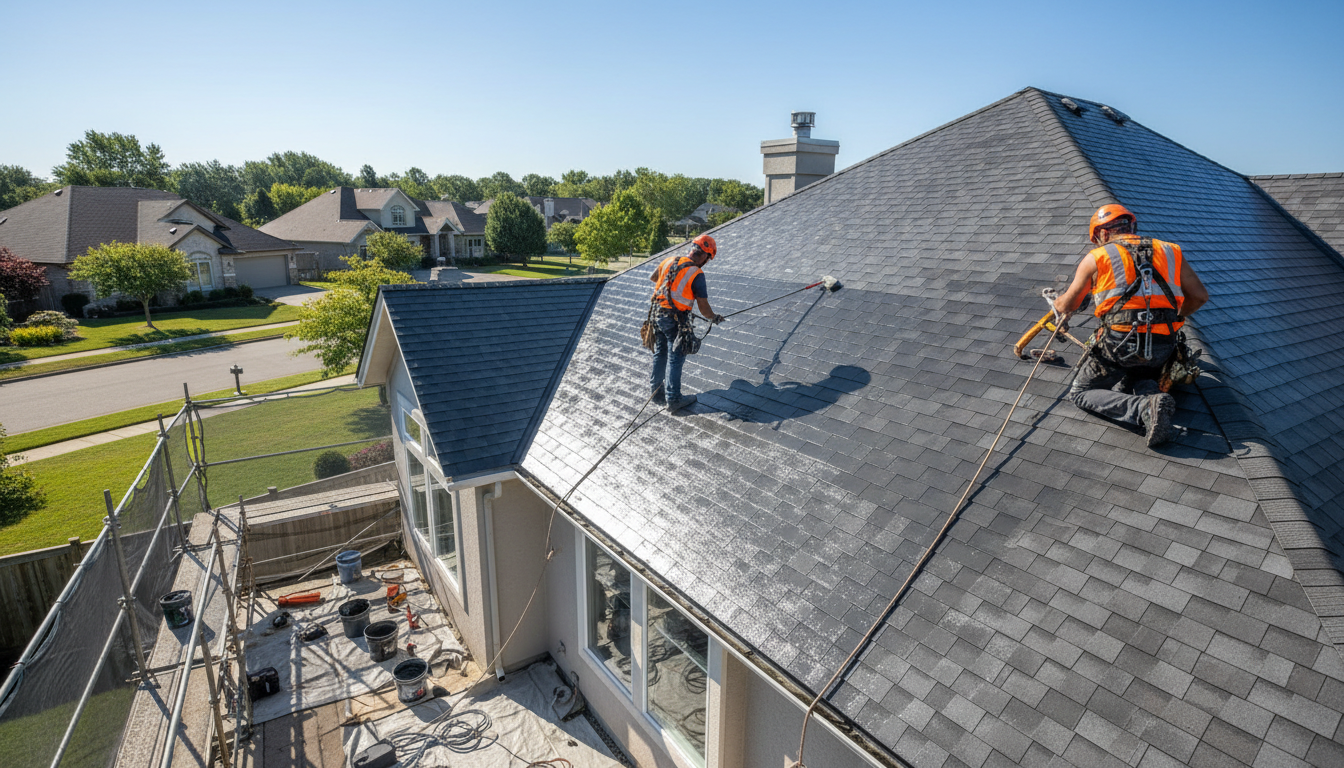
The Ultimate Guide to Roof Washing: Protecting Your Investment

Why Roof Washing Matters
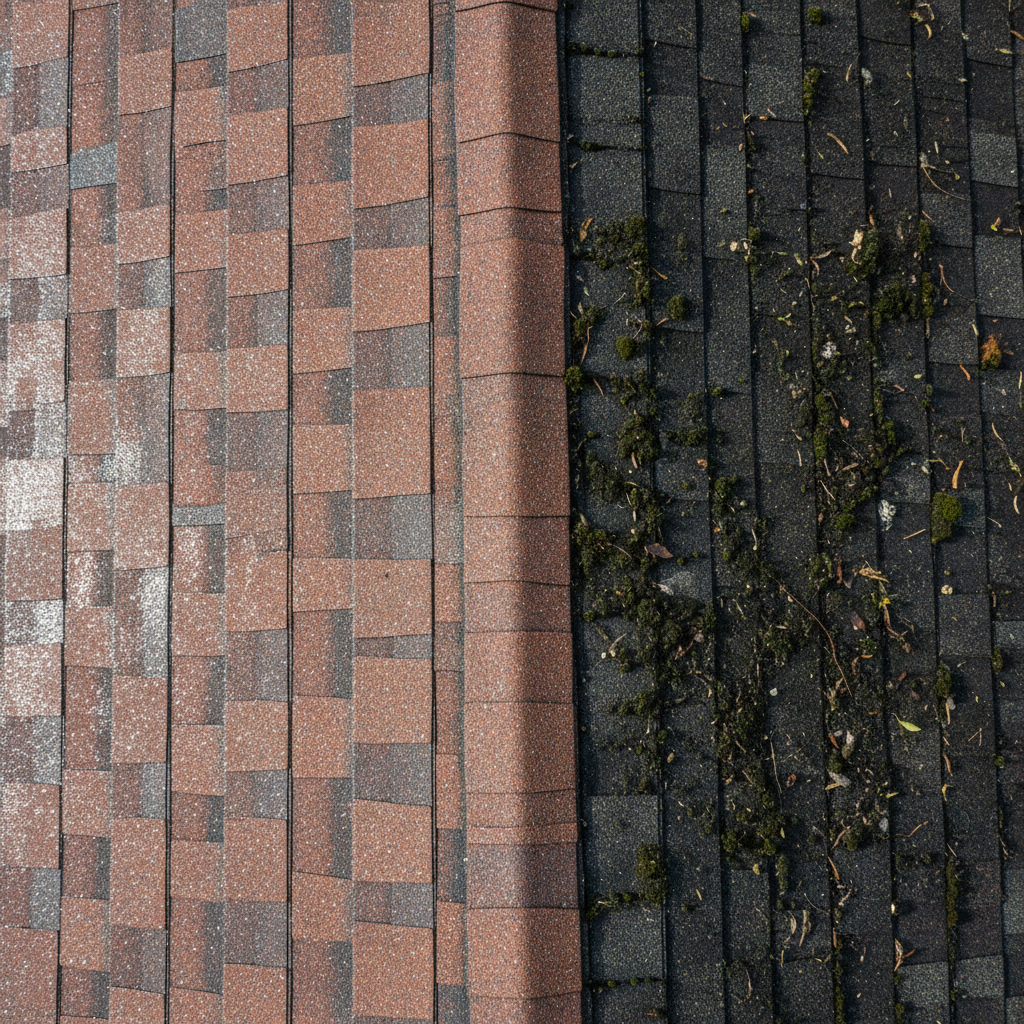
Your roof is one of the most significant investments in your home. Regular maintenance, including roof washing, is essential to prolong its lifespan and maintain its appearance. Not only does it enhance curb appeal, but it also helps prevent damage caused by algae, mold, and other contaminants.
Over time, these elements can degrade roofing materials, leading to leaks and other costly repairs. By keeping your roof clean, you are protecting your investment and ensuring it serves you well for years to come.
Understanding Different Roof Types
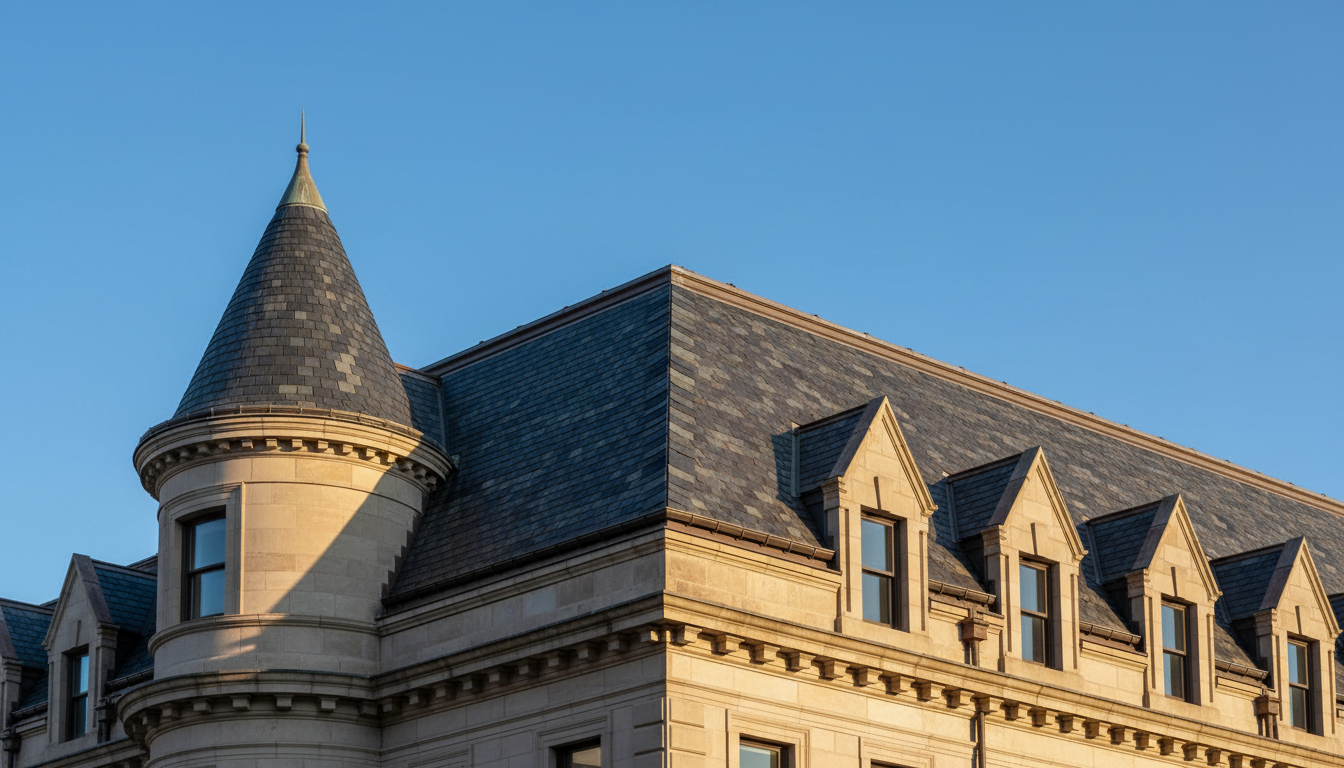
Different roofing materials require different cleaning techniques. It's crucial to understand your roof type to apply the most effective and safe cleaning method. Here are some common roof types:
- Asphalt Shingles: These are the most common and can be cleaned using low-pressure washing to avoid damage.
- Metal Roofs: Often require a gentle cleaning solution and a soft brush to prevent scratches.
- Tile Roofs: These should be cleaned with care to avoid breaking or cracking the tiles.
Consulting with a professional can help ensure the correct approach for your specific roof type.
Methods of Roof Washing
There are several methods to clean a roof, each with its advantages. Here are the most common:
- Soft Washing: This method uses low-pressure water and specialized cleaning solutions to gently remove stains and growths.
- Pressure Washing: Although effective for some surfaces, it can be too harsh for certain roofs and may cause damage.
- Manual Cleaning: This involves using brushes and cleaning agents by hand, ideal for delicate materials.
Choosing the right method depends on your roof's condition and material. Consider consulting a professional for advice.
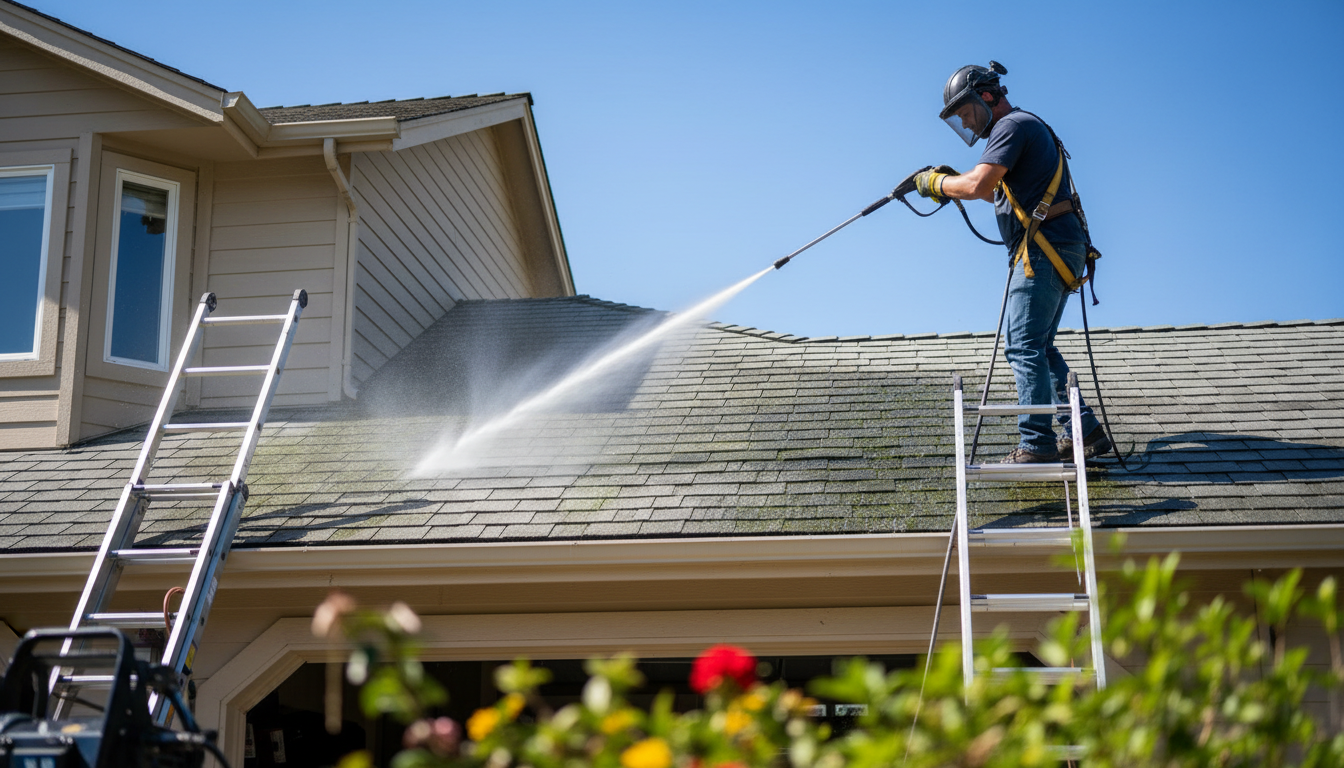
Safety Precautions
Roof washing can be dangerous if not done correctly. Safety should always be a priority. Here are some essential safety tips:
- Use a secure ladder and ensure it's on stable ground.
- Wear non-slip shoes for better traction.
- Avoid roof washing on windy or rainy days to reduce the risk of accidents.
Hiring a professional service can also mitigate risks and ensure a thorough cleaning job.
When to Schedule Roof Washing
Timing is crucial when it comes to roof washing. Generally, it's best to clean your roof in the spring or fall. These seasons offer mild weather, making them ideal for roof maintenance. Regular cleaning every one to two years can significantly extend the life of your roof.
Keeping an eye on your roof's condition can help you decide when it's time for a wash. Look for signs of algae growth, black streaks, or debris buildup, as these indicate it's time for cleaning.