
What Surfaces Can Be Safely Power Washed? A Comprehensive Guide


Understanding Power Washing
Power washing, also known as pressure washing, is an efficient way to clean various outdoor surfaces. By using high-pressure water spray, it can remove dirt, grime, and even stubborn stains. However, not all surfaces can withstand the intense force of power washing. It's essential to know which materials are safe to clean in this manner to avoid costly damage.

Concrete and Brick Surfaces
Concrete and brick are among the most durable surfaces that can be safely power washed. Whether it's a driveway, walkway, or patio, these materials can handle the pressure. Over time, concrete and brick can accumulate moss, mildew, and stains, making power washing an excellent option to restore their appearance. Ensure the mortar between bricks is in good condition to prevent any issues.
Wooden Decks and Fences
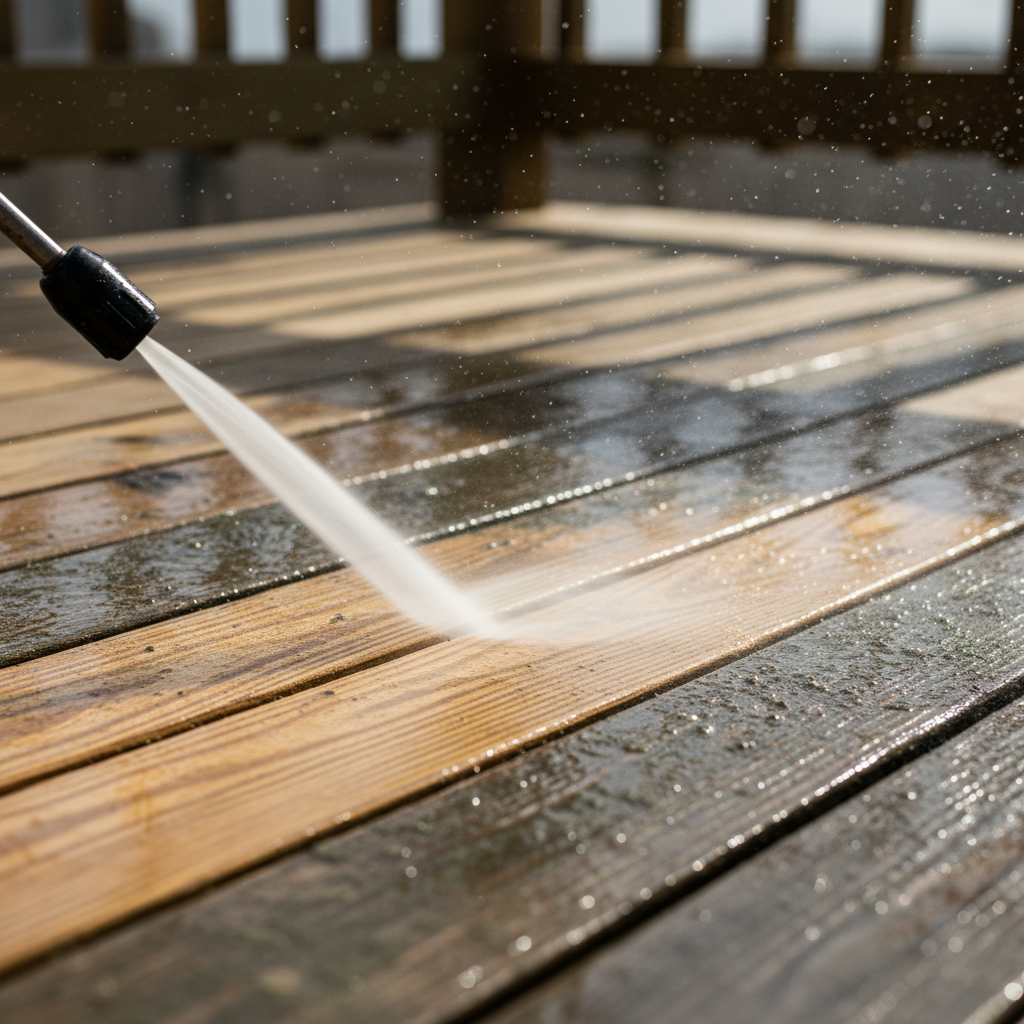
While wood is a more delicate material, it can still be power washed with caution. Wooden decks and fences can benefit from pressure washing to remove dirt and mildew. However, it's crucial to use the right pressure setting and nozzle to avoid surface damage. Softwoods like pine require more care, while hardwoods like oak can handle more pressure.
Home Exteriors
Vinyl, aluminum, and some types of painted siding can be safely power washed. This process can effectively strip away dirt, mold, and old paint, refreshing the look of your home. It's important to maintain a safe distance and use a gentle setting to prevent water from seeping behind the siding, which can cause damage.
Outdoor Furniture
Many types of outdoor furniture, including plastic, metal, and wood, can be cleaned with a power washer. This method removes dust and grime that accumulates over time. However, caution is advised with painted or delicate surfaces, as high pressure can strip paint or cause scratches.

Surfaces to Avoid
Not all surfaces are suitable for power washing. Avoid using this method on:
- Asphalt shingles: High pressure can damage the granules on shingles, leading to a reduced lifespan.
- Old mortar: Fragile mortar can be easily dislodged or damaged.
- Stained wood: The pressure can strip the stain, requiring refinishing.
Additional Tips for Safe Power Washing
To ensure the best results and avoid damage, consider the following tips:
- Test a small, inconspicuous area first.
- Use the appropriate nozzle and pressure setting for the surface.
- Keep the nozzle at a consistent distance from the surface.
- Follow the manufacturer's guidelines for your power washer.
Conclusion
Power washing is an effective cleaning method for many outdoor surfaces, but it's crucial to use it wisely. By understanding which materials can be safely cleaned and following best practices, you can maintain your property's appearance without causing damage. Always consider the condition and type of material before proceeding with power washing.